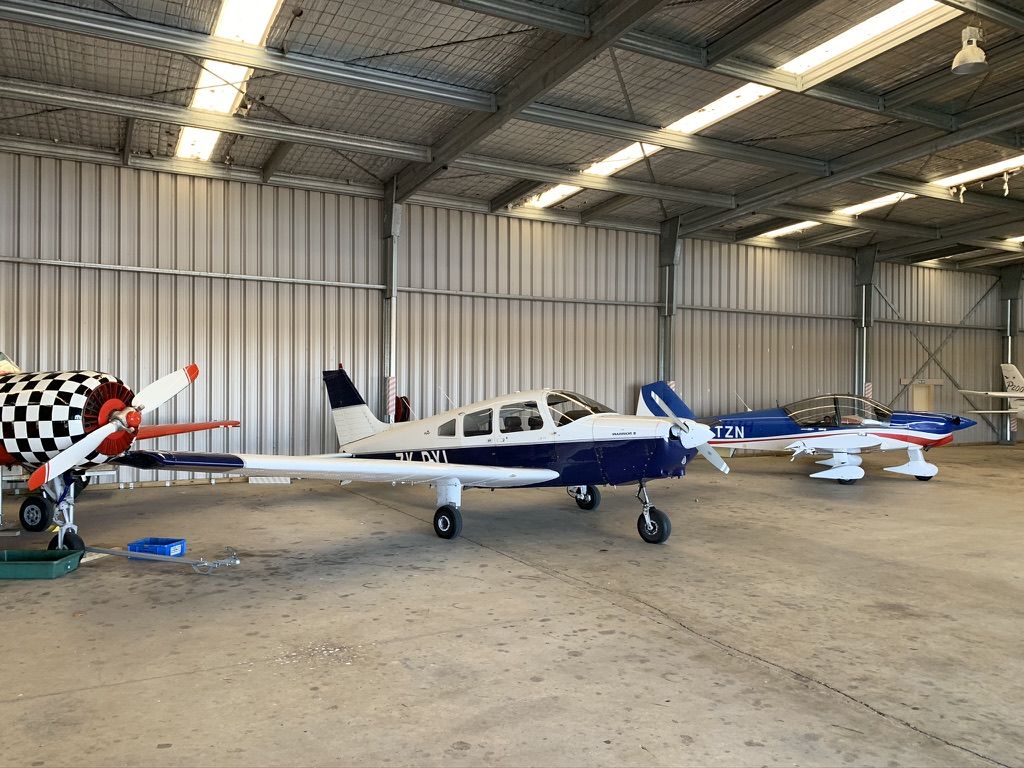
ZK-DXI “Dixie”
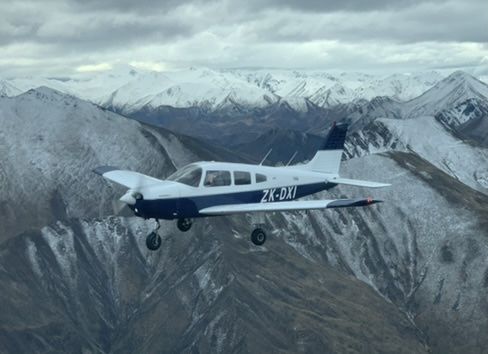
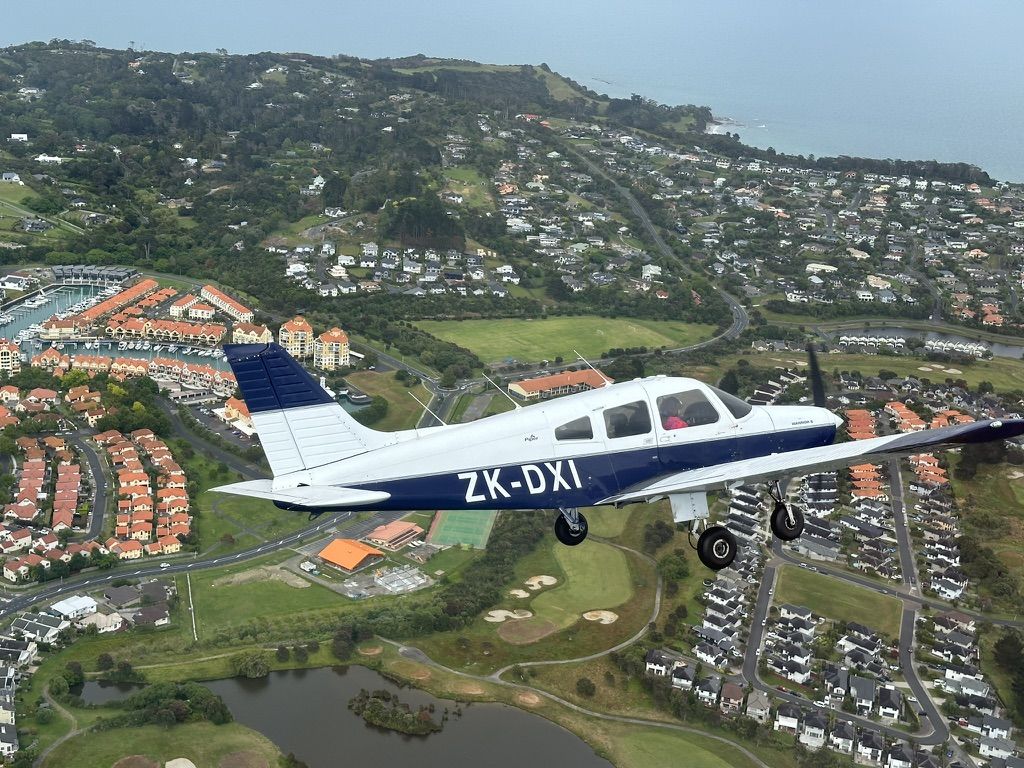
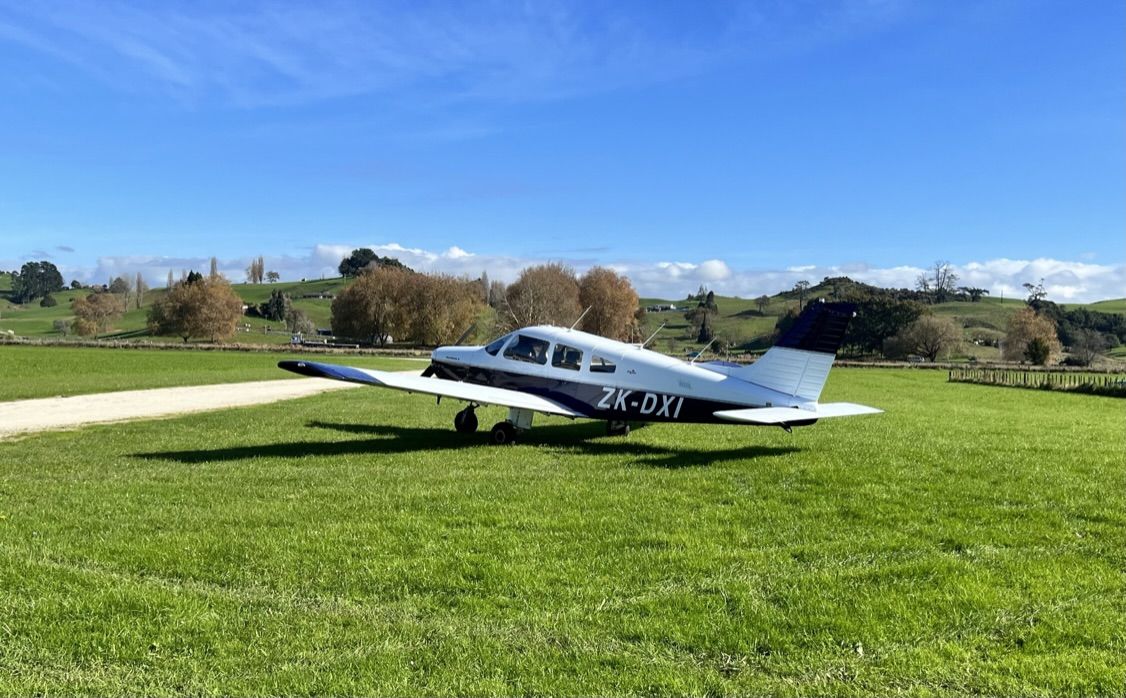
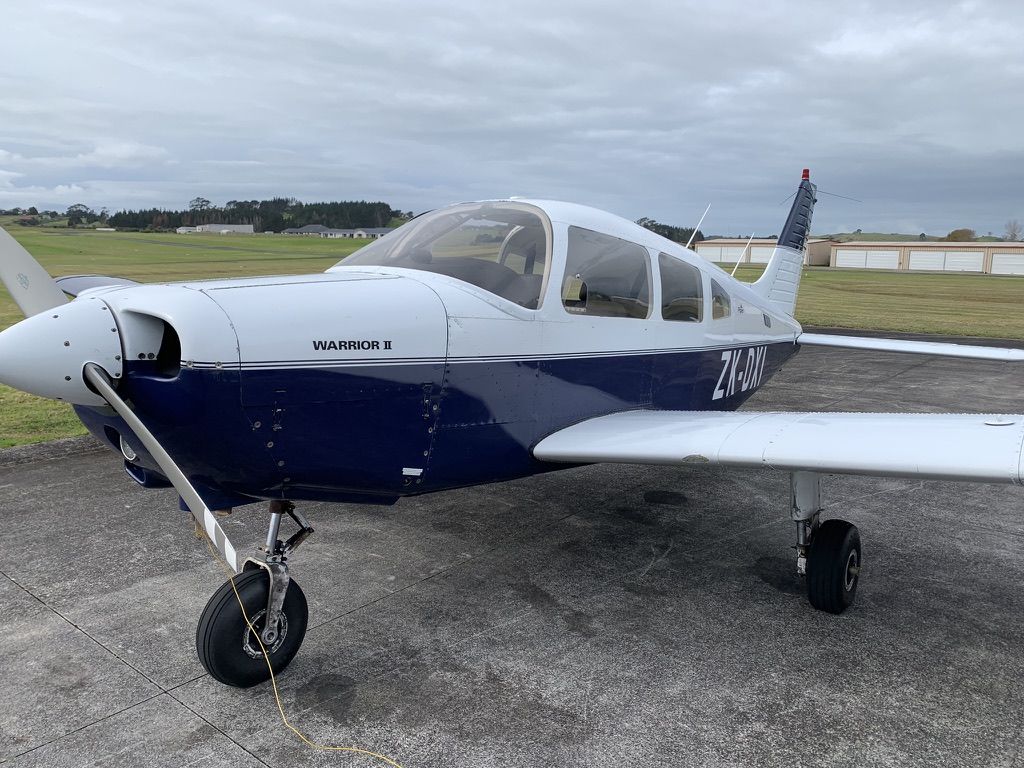
A Piper Warrior, based at North Shore Aerodrome, Auckland.
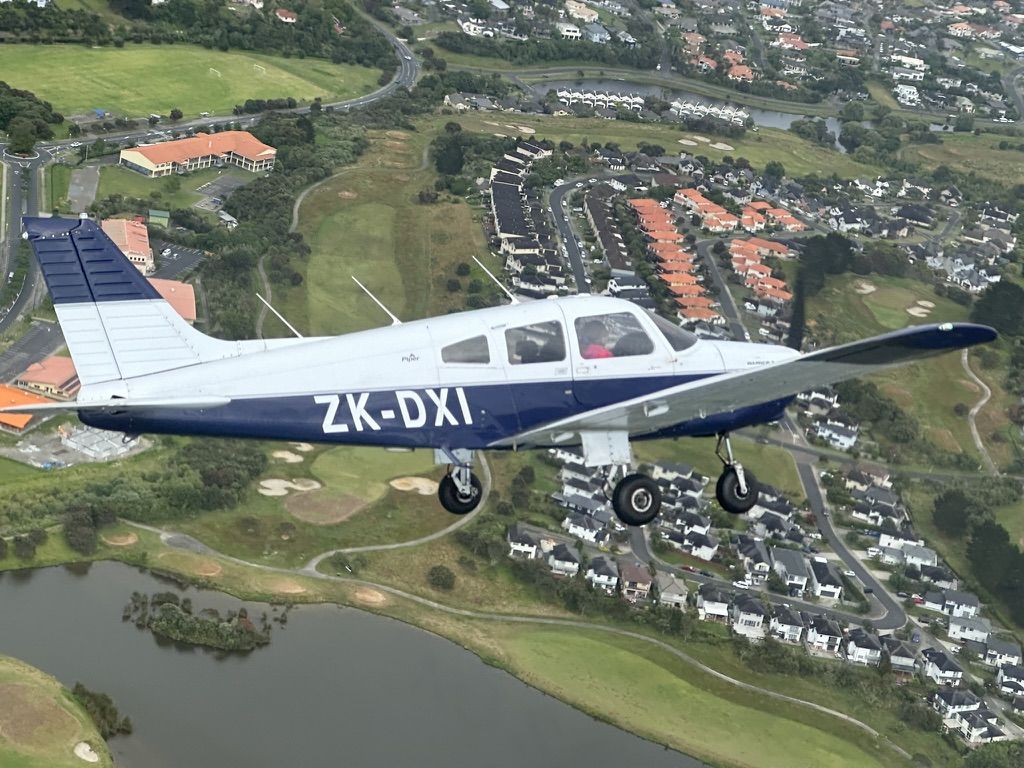
Dixie is a Piper PA-28 Warrior, built in 1980 and upgraded to 180 hp. She lives at North Shore Aerodrome (NZNE) at Dairy Flat and is privately owned.
She’s an amazing aircraft, well known around the field, and plenty of pilots have her in their logbooks. She’s very loved. Dixie isn’t just an aeroplane; she’s a very special aeroplane.
Her story
Dixie spent many years at North Shore Aero Club as their IFR training aeroplane. The current owner started flying lessons at the club in 2015 and, at six foot three, soon outgrew the club’s little Robins, so he moved into the PA-28. Back then she was a bit beaten up, a well-worn training aircraft: tired seats, a battered panel and brakes with a mind of their own. A lot of pilots had learned in her, and everybody loved her.
When the club decided to stop running their last PA-28, he bought her, fully IFR certified, and has kept her to that standard ever since. Along the way she’s had a completely new leather interior and a major avionics upgrade in 2022, including a brand-new autopilot and glass instruments.
The aircraft
- Registration
- ZK-DXI
- Type
- Piper PA-28-161 Warrior II
- Built
- 1980
- Engine
- Lycoming O-360, 180 hp
- Cruise
- 115–120 knots
- Seats
- 4
- Home base
- North Shore Aerodrome, Dairy Flat (NZNE)
The letters DXI
Dixie isn’t the first aircraft at North Shore to carry these letters. In the early 1980s, ZK-DXI was a Cessna 172M Skyhawk (serial 172-66900), built in the mid-1970s and flown by the North Shore Aero Club from the same airfield.

The flour bomb test
On 12 September 1981 the Springboks and All Blacks met at Eden Park for the third and deciding test of a tour that had split the country. Protester Marx Jones, with Grant Cole as his bombardier, hired a Cessna from the North Shore Aero Club at Dairy Flat. They had to detour west to reach the airfield because protesters had blocked the Harbour Bridge.
Through the match the Cessna made more than 50 low passes over the ground (accounts put it between 58 and 69), dropping about a hundred paper-bag flour bombs along with flares and leaflets. Jones later said he flew low and diagonally so he wouldn’t tangle with the goalposts. One bomb knocked All Black prop Gary Knight to the turf. He got up and played on, and the Springbok captain is said to have asked whether New Zealand had an air force. The All Blacks won 25–22 with an injury-time penalty. A police aircraft and helicopters followed the Cessna back to Dairy Flat, where police were waiting. The day became known as the “flour bomb test”.
Club members remember that aircraft as the original DXI, and the club has long kept a newspaper clipping of it over Eden Park.1–5
The current owner was a teenager in New Zealand in 1981, and like most people his age he was firmly against apartheid. As a pilot today he wouldn’t fly that flight himself, because it broke every rule in the book, and a pilot pays heavily for something like that. But he admires the nerve it took. Of all the protests that winter, that little Cessna over Eden Park became the story of the tour, and it put New Zealand’s opposition to apartheid in front of the whole world. Racism has no place anywhere, and the letters DXI carry a small piece of that history.
Photos and film from the day:
- The Cessna circling Eden Park, chased by a police plane and helicopters, photo by John Mercer, Auckland Museum
- Auckland Star photograph of the flight, Auckland Libraries
- Boks, batons, battles and bags of flour, NZ Herald, with photos of the Cessna low over the field
- Film of the third test, NZHistory
The registration later passed to the Piper you see today, which keeps the letters, and the name, flying out of Dairy Flat.
Photos